Skip to content
Professional Care Tips & Methods
Master Tree Pruning for Healthier Trees in Azle, Texas
Why Proper Pruning Matters for Tree Health
Tree pruning is far more than an aesthetic practice. It serves as preventive medicine for your landscape, removing diseased or damaged branches before problems spread throughout the canopy. In Azle, where summer storms and high winds are common, strategic branch removal reduces the risk of falling limbs that could damage property or injure people. Pruning also improves air circulation through the crown, which minimizes fungal infections that thrive in our humid Texas climate. When done correctly, this practice stimulates healthy growth patterns, encourages fruit production in appropriate species, and extends the overall lifespan of your trees. Homeowners who invest in regular pruning often see fewer pest infestations, as weak or dying branches attract destructive insects. Commercial property managers benefit from reduced liability and improved curb appeal. The key is understanding that every cut influences how the tree allocates energy and resources. Random or excessive trimming weakens the structure, while thoughtful removal strengthens it. Trees respond to pruning by compartmentalizing wounds and redirecting growth hormones to remaining buds. This biological response is why technique and timing matter so much. Whether you manage a residential oak or a commercial lot filled with native species, the principles remain the same. Proper pruning builds resilience, supports vigorous growth, and protects your investment for decades.
Essential Equipment for Safe and Effective Cuts
Quality tools make the difference between clean cuts that heal quickly and ragged wounds that invite disease. For branches up to three-quarters of an inch in diameter, bypass hand pruners deliver precise cuts with minimal tissue damage. These pruners use a scissor action that creates smooth edges, unlike anvil-style models that crush stems. Lopping shears handle branches between three-quarters of an inch and two inches, providing the leverage needed for thicker wood without straining your arms. For anything larger, a pruning saw becomes necessary. Curved-blade saws cut on the pull stroke, giving you better control and reducing arm fatigue during extended sessions. Pole pruners extend your reach into the canopy without requiring a ladder, though they demand practice to master the cutting angle. Before making any cut, ensure your blades are sharp. Dull tools tear bark and create entry points for pathogens. After each use, clean blades with rubbing alcohol or a bleach solution to prevent spreading diseases between trees. This step is particularly important when working with multiple specimens in one day. Safety equipment is equally critical. Wear protective eyewear to shield against falling debris, and use heavy-duty gloves to protect your hands from rough bark and sharp edges. If you are working above shoulder height, a hard hat prevents injury from unexpected branch falls. For commercial properties or larger residential lots where multiple trees require attention, investing in professional-grade equipment pays dividends through durability and performance.
Seasonal Considerations for Different Species
The calendar plays a crucial role in pruning success. Most deciduous trees benefit from late winter trimming, typically January through early March in the Azle area, when they are dormant and energy reserves are concentrated in the root system. Cutting during this period minimizes stress and allows trees to channel spring growth into remaining branches. The absence of leaves also makes it easier to assess the overall structure and identify problem areas. However, oak trees in Texas require special timing. Never prune live oaks or red oaks between February and June, as fresh cuts during this window attract oak wilt-carrying beetles. For these species, schedule work during July through January when insect activity drops. Spring-flowering trees like redbuds and dogwoods should be trimmed immediately after blooms fade. Pruning these species in winter removes flower buds and sacrifices the following season’s display. Summer pruning serves a different purpose, slowing growth rather than stimulating it. This technique works well for controlling vigorous shoots or managing size in confined spaces. Light summer trimming also helps commercial properties maintain neat appearances during peak business seasons. Evergreens tolerate pruning throughout the growing season but respond best to late winter shaping before new growth emerges. Dead or hazardous branches can and should be removed any time of year, as safety outweighs seasonal preferences. Emergency situations, such as storm damage, require immediate attention regardless of the calendar. Understanding these timing principles allows you to work with natural growth cycles rather than against them.
Step-by-Step Technique to Prevent Bark Tearing
Removing large branches requires a specific technique to protect the tree from injury. The three-cut method prevents the weight of a falling limb from tearing bark down the trunk, which creates wounds that take years to close. Start by making an undercut about 12 to 18 inches from the branch collar, sawing upward about one-third through the diameter. This first cut prevents bark from stripping when the branch falls. Next, move a few inches farther out on the branch and saw downward until the limb drops away. The branch will break cleanly at the undercut without damaging the trunk. The third cut removes the remaining stub flush with the branch collar, the swollen area where the branch meets the trunk or parent limb. The collar contains specialized cells that seal wounds and prevent decay from entering the main trunk. Never cut into the collar itself, but do not leave a protruding stub either. Stubs die back and become entry points for insects and disease. For branches under two inches, a single clean cut just outside the collar suffices. Always cut at a slight angle to shed water away from the wound. After removing a branch, resist the urge to apply wound dressing or paint. Research shows these products trap moisture and actually slow healing. Trees seal cuts naturally through compartmentalization, isolating damaged tissue while new growth covers the wound. The three-cut method works equally well for residential shade trees and commercial landscape specimens, protecting your investment through proper technique.
When to Call Experienced Arborists
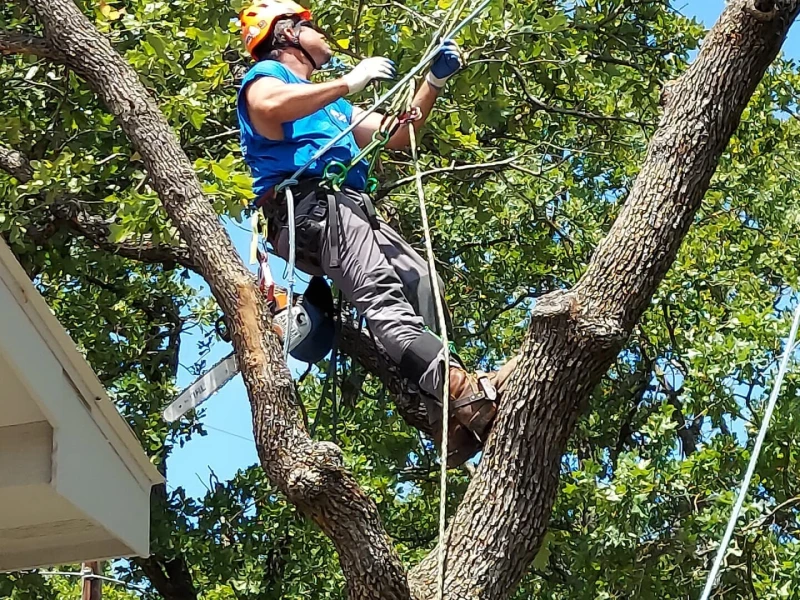
While many homeowners successfully handle basic trimming, some situations demand professional expertise. Large trees, particularly those near structures or power lines, pose significant safety risks. Working at heights requires specialized equipment and training that most property owners lack. Similarly, trees showing signs of disease or structural problems need diagnostic skills that come from years of field experience. If you notice extensive dead wood, cracks in major limbs, or unusual growth patterns, professional assessment prevents costly mistakes. Commercial properties benefit from scheduled maintenance programs that keep landscapes attractive and safe throughout the year. When you need reliable tree care in Azle, the team at D & K Tree Service brings decades of hands-on experience to every project. From routine maintenance to complex removals, their arborists understand the unique challenges Texas trees face, including our clay soils, variable rainfall, and summer heat stress. They use current industry techniques and maintain proper insurance coverage, protecting both your property and your liability exposure. Whether you manage a single residential lot or multiple commercial locations, professional care extends tree life, reduces emergency situations, and maintains the value your landscape adds to your property. Investing in skilled arborists means working with professionals who understand local species, seasonal patterns, and the long-term health of your trees. For projects beyond basic maintenance or when you simply want the confidence that comes from expert handling, professional services deliver results that DIY approaches cannot match.